Butterfly Haircut vs Layers: Which Style Is Right For You?
If you’re deciding between a butterfly haircut and traditional layers, the biggest difference is the shape and amount of movement they create. A butterfly cut gives you shorter, face-framing layers, lots of volume and a more noticeable change in shape, while traditional layers can be much softer and more subtle.
The good news is that neither style is universally better. The right choice depends on your hair type, face shape, how much length you want to keep and, importantly, how much time you want to spend styling it.
For women who want volume without losing their long hair, a butterfly haircut can be a great choice. If you want movement but prefer a more understated finish, a long layered haircut may be better.
Here’s how to decide which is right for you.
Butterfly haircut vs layers: the quick answer
- Butterfly haircut: Best for creating noticeable volume, movement and face-framing shape while keeping your overall length.
- Traditional layers: Better if you want to remove weight and add movement without dramatically changing the silhouette of your hair.
- Butterfly layers: Shorter around the face and crown, gradually blending into longer lengths.
- Thick hair: Can work particularly well with a butterfly cut because strategic layering can remove weight without sacrificing length.
- Fine hair: Usually benefits from fewer, carefully placed layers so the ends don’t look too thin.
- Wavy or curly hair: Both styles can work, but the layers need to be adapted to your natural texture.
If you’re still unsure, book a consultation at Strand & Lock and your stylist can help you find a version of either cut that works with your hair rather than against it.
What is a butterfly haircut?
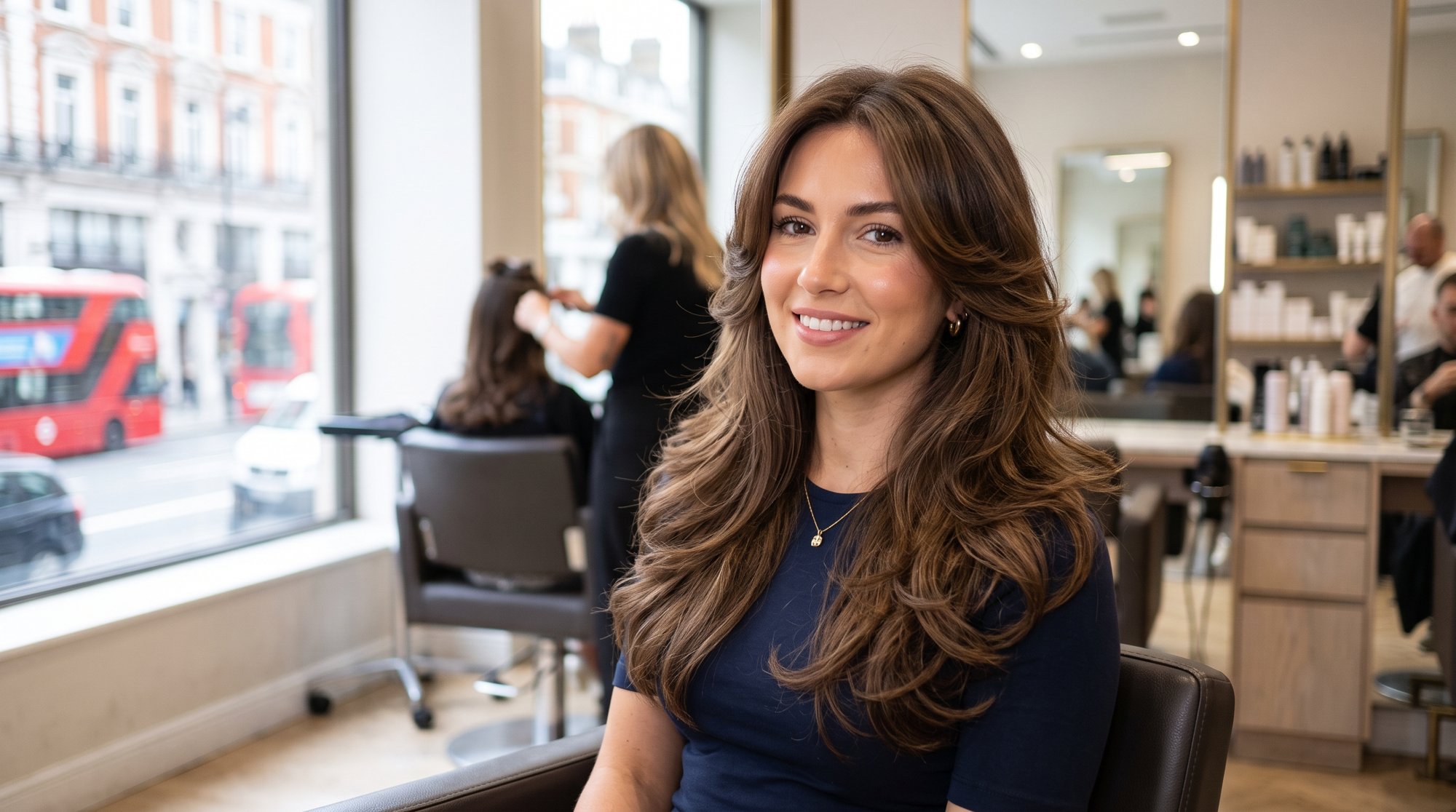
The butterfly haircut is a layered style designed to create volume and movement while retaining the appearance of long hair.
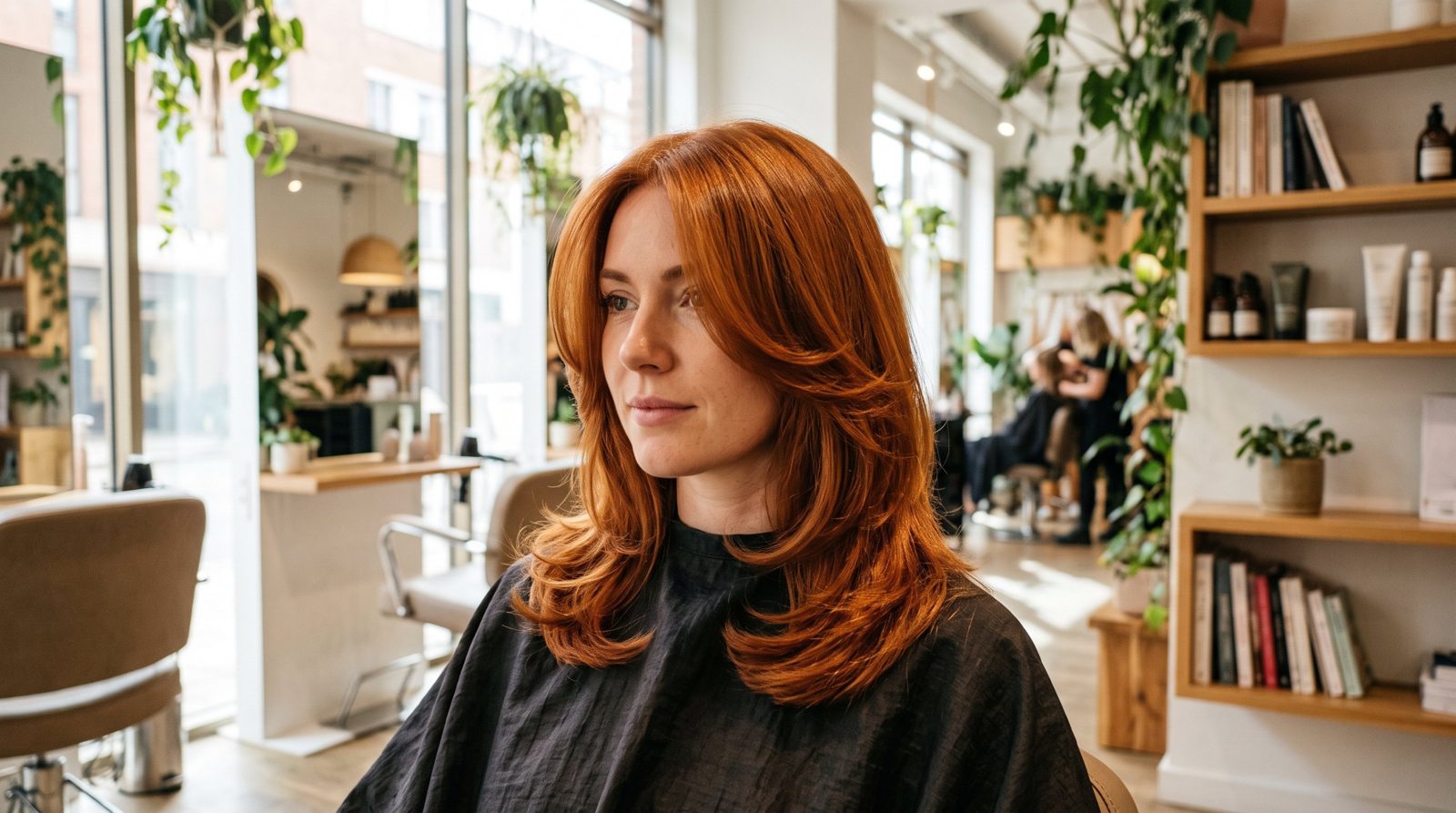
Its defining feature is the contrast between shorter layers around the face and crown and longer lengths underneath. When styled, the shorter sections can be swept away from the face, creating a soft, bouncy shape.
That’s where the “butterfly” name comes from: the layers fan out from the face rather like wings.
The beauty of the cut is that you don’t necessarily have to sacrifice your length to get a completely different look. It shares some DNA with the modern Rachel haircut, which also relies on bouncy, face-framing layers.
What are butterfly layers?
Butterfly layers are the shorter, face-framing sections that give the haircut its distinctive shape and they can start at different points depending on the look you want.
For example, shorter layers around the cheekbones will give you a more dramatic, face-framing effect. Starting them closer to the jaw or shoulders creates a softer version.
This is why a couple of photographs are useful when you’re booking your appointment, but try to give your stylist something to work with – tell them exactly what you like about the pics and what you’re not so keen on.
What are traditional layers?
Layers are a cutting technique rather than a specific haircut.
Your stylist creates different lengths throughout the hair to remove weight, add movement or create a particular shape.
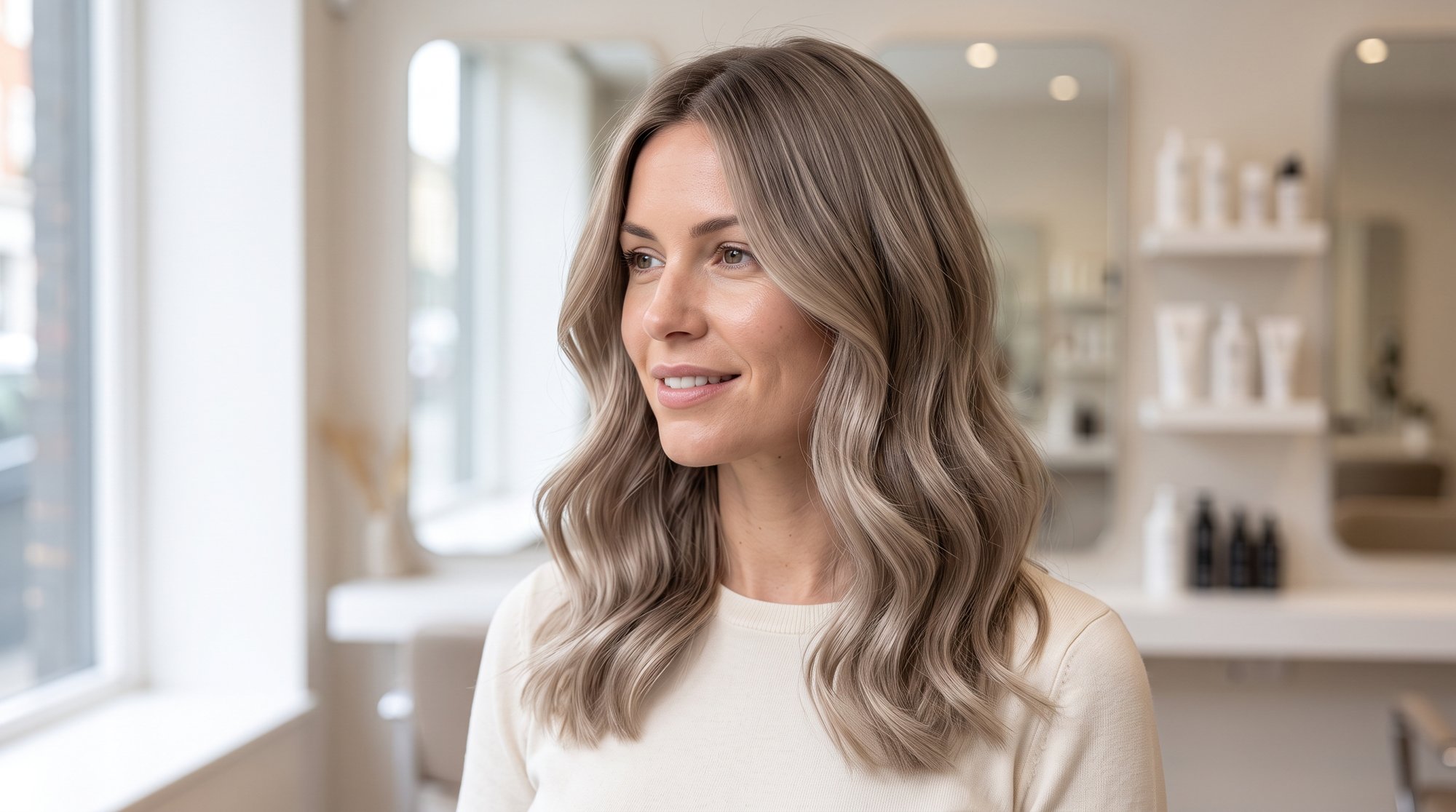
A long layered haircut, for example, might have relatively subtle differences between each layer. When your hair is straight, the layers may be barely noticeable, but they can create much more movement when the hair is curled or blow-dried.
Traditional layers are therefore a good option if you want your hair to feel lighter and more dynamic without committing to a strong face-framing shape.
They’re also incredibly versatile. You can have long layers with straight hair, waves, curls or a fringe, and they can be adapted to almost any hair length. If you like the idea of heavier, more textured layers, our guide to the shag haircut is also worth a look.
Butterfly haircut vs layers: what’s the difference?
The simplest way to think about it is statement shape versus subtle movement.
A butterfly haircut tends to have more obvious face-framing layers and a stronger difference between the shorter and longer sections.
Traditional layers can be much more blended, with the overall shape of the haircut remaining relatively close to your current style.
You don’t have to choose an extremely dramatic butterfly cut or completely invisible layers. Your stylist can create a softer butterfly shape that gives you the movement you’re after without making the layers feel too short.
What about a butterfly haircut for thick hair?
There are a number of hairstyles that work well with thick hair, and a butterfly haircut for thick hair can be particularly effective.
Thick hair naturally has plenty of body, but that doesn’t always mean it has the right shape. When very dense hair is left in one length, it can sometimes feel heavy or difficult to style.
Layering allows your stylist to redistribute some of that weight.
What about fine hair?
Fine hair can absolutely have layers, but the approach needs to be more considered.
Too many short layers can make the ends look sparse, particularly if your hair is already delicate or low in density.
If you have fine hair and love the butterfly look, ask your stylist about a softer interpretation.
Keeping more weight through the ends while adding carefully positioned face-framing layers can create movement without making the hair look thinner. (Want to know what causes thinning hair? Have a look at this Strand & Lock blog post.)
Which style works best for different hair types?
Straight hair
Straight hair shows off the shape of a haircut with greater definition.
A butterfly cut can look beautifully polished when blow-dried, with the shorter layers curved away from the face.
Traditional layers can create a much cleaner, more understated result.
Wavy hair
Wavy hair is naturally suited to layered styles because the different lengths allow the natural movement to show through.
A softer butterfly cut can give waves more shape around the face without making your ’do look overly structured.
Curly hair
Curly hair needs a little more planning.
Because curls spring upwards and shrink as they dry, the length you see when wet isn’t necessarily where the hair will sit when dry.
Your stylist should take your natural curl pattern into account before deciding where the layers should begin.
A well-cut layered style can enhance your natural curls rather than battling with them.
How to style a butterfly haircut at home
A butterfly cut is often associated with a big, bouncy salon blow-dry but with a little care, you can achieve the same (or similar!) results at home.
Start with towel-dried hair and apply a lightweight volumising product – we like Keune’s Velvet Cloud which is a premium mousse that leaves you with silky soft locks. Divide the hair into manageable sections and use a round brush while blow-drying, directing the front layers away from your face.
Once the hair is completely dry, allow it to cool before brushing through the sections.
For extra longevity, add rollers while the hair cools. This helps set the shape without needing to overload the hair with product.
How often does a butterfly haircut need trimming?
You don’t necessarily need to have a full haircut every few weeks.
For most people, around 8–12 weeks is a reasonable starting point for maintaining the shape, although this will depend on how quickly your hair grows and how defined you want the layers to remain.
If you’re growing your hair, smaller maintenance trims can help keep the ends healthy without significantly reducing your length.
If you have a shorter face-framing section, you may notice that it loses its shape sooner than the longer lengths.
How to ask your stylist for a butterfly haircut
Reference photos are useful, but don’t simply show one picture and ask for an exact copy – the person in the pic may have very different hair texture and density to you. Bring a couple of examples and explain what you like about them.
You might say:
- “I want to keep most of my length.”
- “I like the volume around the face.”
- “I want the shortest layers around my cheekbones.”
- “I want movement but don’t want the ends to look thin.”
- “I’d like something I can wear naturally as well as blow-dried.”
- “I don’t want the layers to look too choppy.”
This gives your stylist a much clearer idea of what you’re looking for.
Butterfly haircut or layers: which one should you choose?
If you’re still torn between the two, think about what you want your haircut to do.
Choose a butterfly haircut if you want:
- Noticeable movement around your face
- Plenty of volume
- A dramatic change without losing your long hair
- Layers that can be styled into a bouncy blow-dry
- A haircut that makes the most of thick or naturally textured hair
Choose traditional layers if you want:
- A more subtle change
- Weight removed without a dramatic new shape
- Maximum versatility
- A haircut that’s easy to wear naturally
And if you’re somewhere in the middle, that’s completely fine. Your stylist can create a softer butterfly-inspired cut with longer, blended layers.
Butterfly haircut FAQs
What is a butterfly haircut?
A butterfly haircut is a layered cut with shorter, face-framing layers around the face and crown that blend into longer lengths underneath. It creates volume and movement while keeping the look of long hair.
Can you get a short butterfly haircut?
Yes. A short butterfly haircut adapts the same idea to shoulder or collarbone-length hair, with face-framing layers and volume at the crown. The shorter your overall length, the more carefully the layers need to be placed so the shape doesn’t look choppy.
Does a butterfly haircut work on straight hair?
It does. A butterfly haircut on straight hair shows off the shape of the layers clearly, especially when blow-dried with a round brush. If you prefer to let your hair dry naturally, ask for softer, more blended layers so the shape still sits well without styling.
Can you have a butterfly haircut with curtain bangs?
Yes, and it’s a popular combination. Curtain bangs blend naturally into butterfly layers and extend the face-framing effect. Your stylist can keep the fringe long enough to grow out easily if you change your mind.
Is a butterfly haircut good for curly hair?
A butterfly haircut can work beautifully on curly hair, as long as it’s cut with your curl pattern and shrinkage in mind. That way the layers sit where you expect them to once your curls have dried.
How long does your hair need to be for a butterfly haircut?
It works best on hair that’s at least shoulder length, and ideally longer, because the contrast between the shorter layers and the longer lengths creates the butterfly shape. A butterfly haircut on long hair gives the most noticeable result.
Find your perfect layers at Strand & Lock
The best haircut isn’t necessarily the one that’s trending on social media (although you can catch up on the latest 2026 hair trends here). It’s the one that works with your hair and your lifestyle.
Whether you’re looking for a dramatic butterfly shape, a softer long layered haircut or something in between, our stylists can help you find the right balance of movement, volume and length.
And if you’re searching for experienced hairdressers near London Bridge, professional hairdressers in London you can trust, or a quality haircut in Borough, Strand & Lock is here to help.
Book a consultation at our Bermondsey or Borough salons, bring your inspo and we’ll create a cut that’s all your own.

Dasos Anastasis is the owner of Strand & Lock, a premium London hairdressers with salons in Bermondsey and Borough. His passion for hair began in the 1990s when he joined his father’s barbershop. With over three decades of hands-on experience, Dasos continues to bring craftsmanship, tradition, and innovation together to redefine the hair industry.